by Robert Swedeen | Apr 14, 2023 | Plumber, Plumber Service
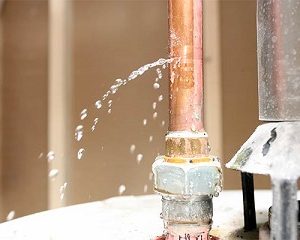 Do you ever spend a few minutes thinking about just how much water goes through the pipes in your home each and every day. When you consider your washing machine, dishwasher, multiple sinks and toilets and, of course, your tubs and showers. It is estimated that the average American household uses about 300-400 gallons of water each and every day. The majority of this water use is confined to the bathroom. When the plumbing in your home is working correctly, you may go days, weeks or even months without even thinking about your plumbing system and how amazing it is that water is running through
by Robert Swedeen | Feb 10, 2023 | Plumber, Plumber Service, Residential Plumbing
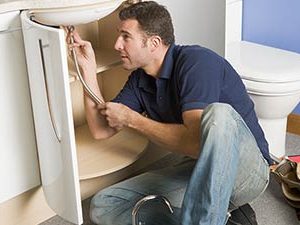 Many of the indoor conveniences we enjoy are due or at least connected to modern plumbing. We are fortunate to live in an age when it is, for most people in the United States, almost unheard of to have an interruption of clean water service. Modern plumbing can be taken for granted because modern plumbers have worked very hard to make plumbing systems as free of fault and weakness as they can be. And, truth be told, few systems associated with modern convenience are more reliable than plumbing systems. Dan’s Plumbing & Septic offers reliable, responsive and professional
by Robert Swedeen | Jan 14, 2023 | Low Water Pressure, Plumber Service, Water Pipe Repair
 It’s not uncommon in Minnesota for people to pack up and head to warmer climates during the winter months. One common question we at Dan’s Plumbing and Septic are asked is how to properly shut off the water to the entire house to ensure pipes don’t freeze. This simple task is especially important if you plan to turn your furnace down to save electricity or should the power go out and interior temperatures drop. This can keep your pipes from freezing to the point of bursting and can save you thousands of dollars in repair bills. So, what is the proper way to ensure all the pipes are safe? Let’s break the process down step-by-step:
by Robert Swedeen | Jan 6, 2023 | Plumber Service, Water Pipe Repair
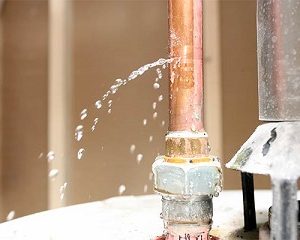 It is a known fact that Minnesota deals with prolonged, bitterly cold temperatures during the winter months. In fact, records show that January alone averages 12oF! With temperatures this low, how can you ensure that your water supply lines inside and out don’t freeze? The plumbing professionals at Dan’s Plumbing and Septic know plumbing systems and know Minnesota winters, so we offer some tips for protecting one of the larger investments in your home or business – you’re plumbing.
by Robert Swedeen | Nov 18, 2022 | Appliance Installer, Kitchen Faucet, Plumber Service
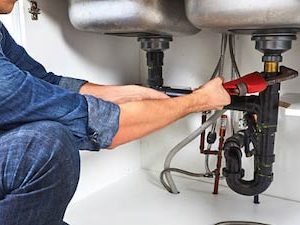 According to the Minnesota Department of Health, approximately 1 in every 5 Minnesotans (or roughly 1.2 million people) get their water from a private well, rather than city water sources. Every county in Minnesota has people that are regularly using well water as their primary well source. According to this same department, every resident is responsible for checking the quality of their own water. This means that you are responsible for ensuring that the water is healthy for everyone inside of your home.
by Robert Swedeen | Nov 11, 2022 | Plumber, Plumber Service, Residential Plumbing
 Minnesotans are reported to use approximately 52 gallons of water per person, per day. Nearly 80% of this water comes from public utilities, while others use private wells. It is also reported that the North Central US has some of the hardest water in all of the country, with Minneapolis ranking 3rd in the US for having the hardest water. So, what is hard water, and what can you do about it? Read on to find out…