
 Waiting until your water heater completely stops working often means dealing with cold showers, possible water damage, and emergency service calls. The good news is that most water heaters show warning signs before they stop working completely. Recognizing the warning signs early gives you the opportunity to schedule service before a small issue becomes a major repair. Knowing what to watch for can help you avoid unexpected breakdowns, water damage, and costly emergency repairs. It is very common for us to be able to repair your water heater rather then replace it. For a list of the cities we service visit here.
If you notice any of the following symptoms, it may be time to have your system professionally inspected:
Common Signs Your Water Heater Is Failing
- Inconsistent Hot Water
One of the earliest warning signs is inconsistent water temperature. If your water starts hot but quickly turns cold, or it takes much longer than usual to heat up, your system could have a failing heating element, sediment buildup, or a worn-out burner.
Ignoring this issue can eventually leave you with no hot water at all.
- Strange Noises Coming From the Tank
Popping, rumbling, or banging sounds are often caused by hardened sediment collecting at the bottom of the tank. As the water heats, it pushes through the buildup, creating unusual noises.
These sounds usually indicate your water heater repair needs should be addressed before the tank suffers additional damage.
- Rusty or Discolored Water
If only your hot water appears rusty or brown, corrosion inside the tank could be the culprit. While rusty water can sometimes come from aging plumbing, it may also indicate the water heater’s protective lining is beginning to fail. Once internal corrosion starts, replacement may become the most cost-effective option.
- Watch for Water Around the Tank
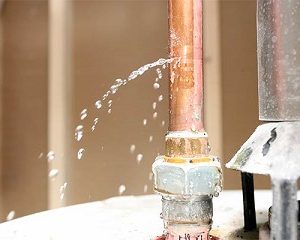
Even a small puddle around your water heater should never be ignored. Leaks often begin around fittings, valves, or the tank itself. As the metal expands and contracts during heating cycles, these leaks usually become worse over time.
Prompt water heater maintenance can sometimes prevent a complete failure, but a leaking tank often requires replacement.
- Reduced Water Pressure
Sediment and mineral buildup inside the tank can restrict water flow, leading to noticeably lower hot water pressure throughout your home. If your hot water pressure has gradually decreased, scheduling a professional inspection can identify whether the water heater is the source of the problem.
- Your Water Heater Is More Than 10 Years Old
Most traditional storage tank water heaters last between 8 and 12 years with proper care. As systems age, efficiency decreases while the likelihood of leaks and mechanical failures increases. If your unit is approaching the end of its lifespan, investing in a new water heater installation may save money on repairs while lowering monthly energy costs.
- Don’t Ignore Rising Energy Bills
An aging or inefficient water heater often has to work much harder to produce the same amount of hot water. Sediment buildup, worn components, and declining efficiency can all contribute to higher utility bills. If your energy costs continue climbing without another obvious explanation, your water heater may be the reason.
When to Call a Professional Plumber
Many water heater issues begin as minor inconveniences before becoming expensive emergencies. Having a licensed plumber inspect the unit early can help determine whether a repair or replacement makes the most financial sense. Many times we are able to repair the water heater saving you money. At Dans Plumbing & Septic, experienced technicians can diagnose problems, perform reliable repairs, and install quality replacement systems when needed. Their team helps homeowners restore dependable hot water while minimizing unexpected breakdowns.